Home / Checking a Gate After a Hailstorm
Checking a Gate After a Hailstorm
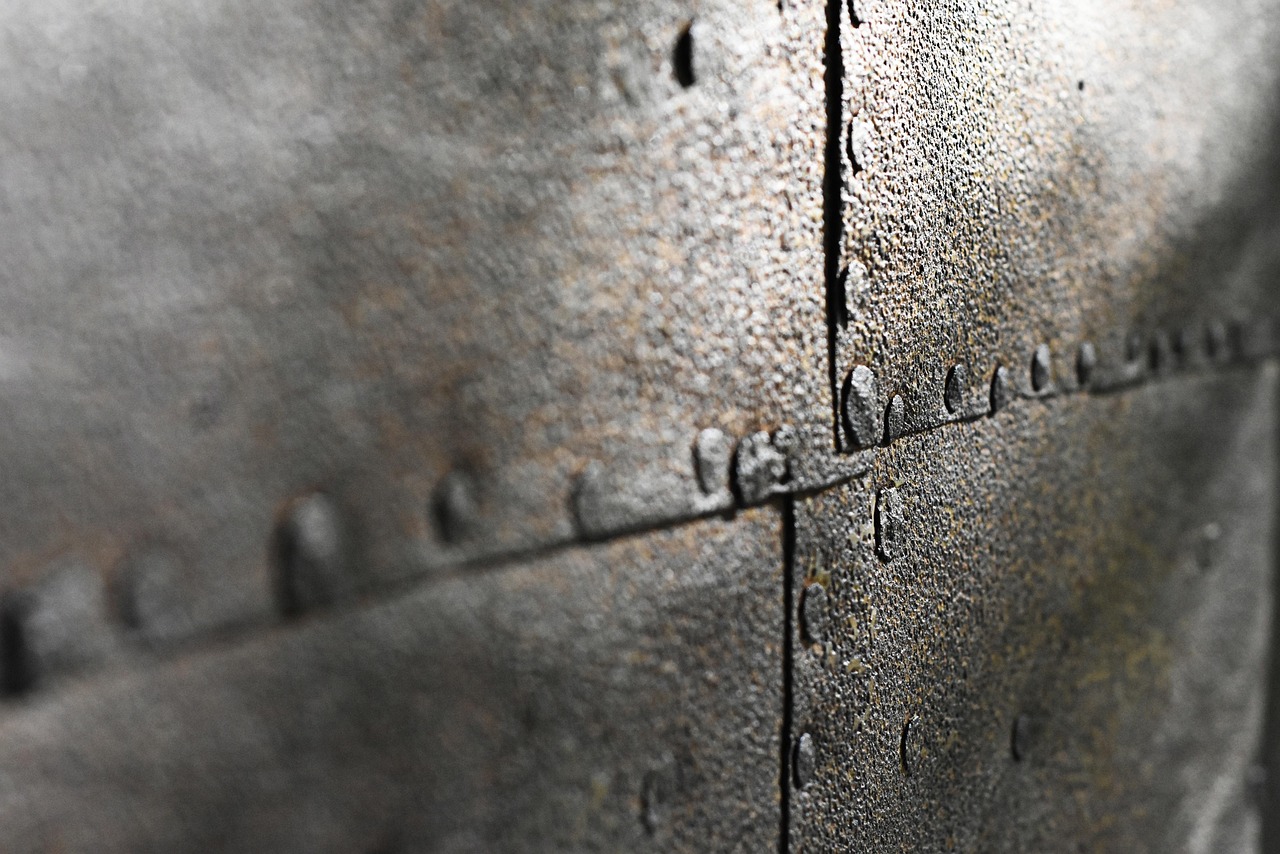
After a hailstorm, a gate should be checked in a set order: first a walk-around for dents and cracked finish, then the hinges and latch for bent or loosened parts, then the posts and footings for shifting, and last a full open and close to feel for binding. A calm, systematic look catches damage early, while rust and misalignment are still easy to stop.
Hail leaves marks that are not always dramatic. A gate can look fine from the house and still carry dozens of tiny dents, chipped coating and a slightly bent hinge. Central Texas sees hail often enough that a standard routine is worth having ready before the next storm arrives.
Start with safety
Wait until the storm has fully passed and the ground is safe to walk on. Watch for downed branches, loose debris and any electrical hazards, especially if the gate has an operator, a keypad or lighting. If the gate is powered, switch off the power at the breaker before touching any part of the mechanism.
Wear gloves, since broken coating can leave sharp edges on metal. Bring a flashlight, a tape measure, a small level and a camera or phone. Photographs taken before any cleaning are useful if an insurance claim is needed, because they show the condition immediately after the event.
The first walk-around
Walk slowly along both faces of the gate and look at the surface in raking light, which means light coming in at a shallow angle. Dents show up clearly this way, much more than in flat light from directly above. Early morning or late afternoon gives the best view, and a flashlight held low across the surface works at any hour.
Note the size and density of the dents. Small, shallow dents scattered across the top-facing surfaces are common after a typical storm. Larger, deeper dents, especially on thin panels, may point to bigger hail. Count the dents in a one-foot square to estimate how heavy the damage is, and note which side of the gate took the worst of it. Hail usually arrives on a slant, so one side often suffers more than the other.
Look at the finish itself. Chips, cracks and flaking mark the places where bare metal is now exposed. Powder coating can crack in a spider-web pattern around a dent, even when the dent is small. Those cracks let water in, and rust will begin under the surface within weeks if they are not sealed.
Checking the hinges
Hinges are small but central to how the gate behaves. Look at each hinge for bending, cracks and new gaps. Lift the free end of the leaf gently and watch for movement in the pin. A hinge struck by hail may be bent just enough to bind without any obvious sign.
Check the fasteners as well. Impact can loosen bolts and shake welds. Tighten anything that is loose, and note any weld that shows a hairline crack. A cracked weld on a hinge is a serious problem, because it can fail suddenly under load. Mark it and have it repaired before the gate is used heavily.
Look at the finish on the hinge barrel. Exposed steel at a hinge rusts quickly and can seize the pin. A touch of paint and a drop of lubricant after cleaning prevents that.
Checking the latch and the hardware
Operate the latch several times. It should catch crisply and release smoothly. A bent latch bar or a dented housing can stick or fail to catch. Check the strike plate for movement, and look for cracked plastic parts on keypads and lock covers, which are common victims of hail.
If the gate has an electronic lock or an operator, inspect the casing for cracks and the lens or display for damage. Water entering through a cracked housing will cause problems days or weeks later. Seal minor cracks with a weatherproof compound as a temporary measure and plan a replacement for any seriously damaged part.
Posts, footings and alignment
A heavy storm often arrives with strong wind and saturated soil, and that combination can shift posts. Place a level against each post to see whether it has leaned. Look at the base for gaps between the post and the soil or concrete, which show movement. Cracks in the concrete collar are another warning sign.
Measure the gap between the leaf and the latch post at the top and the bottom, and compare with the earlier numbers if they are known. A change suggests that a post or a hinge has shifted. Small changes can be corrected with hinge adjustment, while larger ones may need the post reset.
Check the ground around the gate for erosion. Heavy rain can wash out the soil near the footing, especially on a slope. Fill and compact any gaps, and make sure water drains away from the posts instead of pooling at the base.
Open and close test
Once the visual inspection is done, swing the gate through its full range several times. Listen for scraping, grinding or clicking. Feel for any tight spot or sudden resistance. Watch the leaf as it moves, and see whether it tracks evenly or wobbles. A gate that previously moved easily and now feels stiff has likely suffered some damage that is not yet visible.
If the gate is motorized, run it through a full cycle with the safety devices active. Check that the photo eyes are aligned, since hail or wind can knock them out of position. Test that the gate stops or reverses when the beam is broken. Do not use a powered gate with a safety device that is not working.
Documenting for insurance
Take clear photographs of the gate, the dents and any damaged hardware, with a coin or a ruler for scale. Record the date and time of the storm and note the approximate size of the hail if known. Keep any receipts for temporary repairs. Many homeowners policies cover hail damage to fences and gates, though the rules vary, so reading the policy and contacting the insurer promptly is a sensible step.
Avoid major repairs before the insurer has had a chance to inspect, unless a temporary fix is needed to protect the property. Small protective measures, such as sealing a cracked coating, are generally reasonable and should be photographed.
Prioritizing the repairs
Not every dent is urgent. Start with anything that affects safety or security, such as a cracked weld, a failed latch or a post that has shifted. Next, seal any exposed bare metal to stop rust. Dents that do not break the coating can usually wait for a planned repair. Keep a written list and a set of photographs so nothing is forgotten.
A look again after a few weeks is also wise. Rust can appear slowly at places where the coating cracked, and a second check catches those spots while a small touch-up still does the job. With a regular routine, hail becomes an inconvenience instead of a lasting problem, and the gate keeps working for many more seasons.