Home / Locks and Latches for Metal Gates
Locks and Latches for Metal Gates
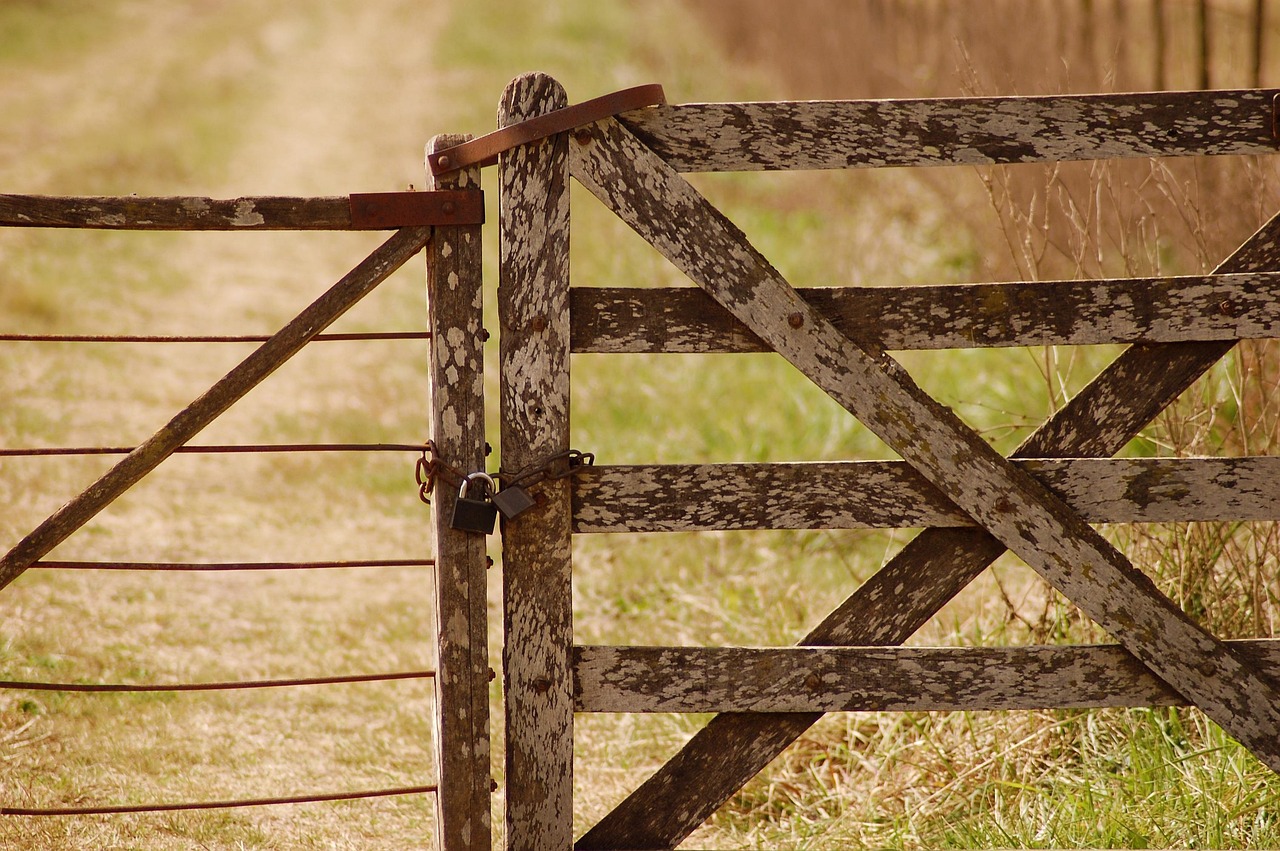
A latch holds a gate closed, and a lock keeps it from being opened by the wrong person. The two are different parts, and a good gate often has both. Choosing them well means weighing how the gate is used each day, how much security it needs, how the hardware will cope with outdoor weather and how easily a hand can work it without looking.
Gate hardware gets little attention until it fails. A latch that sticks in the morning becomes a daily irritation, and a lock that jams in humid weather can leave a household stuck outside. Understanding the choices before the gate is built leads to hardware that matches the way people live.
Latch versus lock
A latch is a mechanical catch that keeps a gate shut against wind, animals and casual pushing. It usually opens with a lever, a thumb press or a pull ring. A lock is a security device that requires a key, a code or a signal. Many gate locks combine both, with a spring latch for convenience and a deadbolt or a cylinder for security.
The question to ask first is what the gate is meant to stop. A gate for a dog run needs a latch that a dog cannot lift. A pool gate needs a latch that a child cannot reach or work. A front entry may need a lock that keeps strangers out. Each purpose points to a different hardware choice.
Common latch types
- Gravity latches have a bar that drops into a catch as the gate closes. They are simple, reliable and cheap, but a determined climber or a strong wind can flip the bar.
- Thumb latches use a lever on one side that lifts a bar on the other. They are familiar and easy for hands to use.
- Magnetic latches use a magnet to pull the gate shut and hold it. They are quiet, they do not rattle and they work well where a gate must close by itself.
- Slide bolts are a plain steel bolt that slides into a hole. They add a second layer, especially on double gates, though they need a person to reach and operate them.
- Drop rods are long rods that lock one leaf of a double gate into the ground. They hold a leaf steady in wind.
- Lever handle latches look like a door handle and suit gates where a refined appearance matters.
Common lock types
Locks come in several forms. Keyed padlocks are the simplest and can be fitted to a hasp or a loop. Keyed deadbolts built into the latch body are neater and harder to cut. Combination locks remove the need for keys and are shared easily among a household. Keypad locks let a code open the gate, and the code can be changed when needed. Electronic locks connect to an operator, an intercom or a smartphone, and they suit gates with automatic motion.
Each has strengths. A key is simple but can be lost or copied. A combination is easy to share but can be watched. A keypad can be reset but depends on batteries or power. An electric strike or magnetic lock needs a backup if power fails, and many codes require a manual release for emergency exit.
Weather and materials
Outdoor hardware faces sun, rain, dust and temperature swings. Stainless steel resists rust best. Galvanized and powder coated steel are good where the finish stays intact. Zinc alloy and cheap plated hardware corrode fast and are best avoided on a gate that faces open weather. Brass and bronze last well, though they develop a patina.
Moving parts need protection. Dust enters keyholes and mixes with oil to form a sludge. A cover or a rubber boot over a lock cylinder helps. Graphite powder and silicone sprays suit locks better than oils that attract grit. Plastic parts in cheaper latches become brittle in strong sun, and a cracked housing quickly leads to failure.
Height and reach
Where the latch sits changes who can use it. A common height for adult hands is around forty to fifty inches above the ground. A latch placed higher keeps small children from reaching it, which suits pool and safety gates. A latch placed lower is easier for someone using a wheelchair or carrying bags. Where both needs apply, a latch with two actions, such as lift then slide, offers a measure of both.
On a pool gate, local rules often call for a latch at a specified minimum height and with a self closing and self latching action. Checking the rule that applies to the property is part of choosing the hardware.
Alignment and the strike
The strike is the catch on the post that receives the latch. If the gate shifts even a little, the latch may miss it. Adjustable strikes with slotted holes allow for small movements. A wide receiving cup forgives a gate that swings slightly out of line. A gate that must be lifted or pushed to latch is a gate whose hinges or posts need attention, and no latch will cure that.
Gate stops, which are small bars or posts that the leaf closes against, help the latch by holding the leaf at the right depth. Without one, a gate can swing past the strike and fail to catch.
Security and its limits
A lock does not make a low or open gate impregnable. A person who wants to climb a gate or reach through the pickets to work the latch from the other side can often do so. Features that reduce this risk include latches with shielded housings, lock boxes that cover the mechanism, pickets spaced too closely to reach through and anti climb toppers on the frame. The latch is best placed on the inner side with a guard, or it is mounted so that its release cannot be reached from outside.
Privacy panels around the latch can also hide the mechanism and make it harder to defeat. The aim is to add layers rather than rely on any one part.
Double gates and special cases
Double gates have two leaves, and one leaf usually holds the other. The fixed leaf is anchored with a drop rod, and the active leaf latches to it. Wind tends to push on both leaves, so the drop rod must seat into a sleeve in the ground that stays clear of dirt. A sleeve with a drain hole prevents water from rusting the rod.
Sliding gates use different hardware, such as a latch at the end of the track and a hook or a catch on the post. Automatic gates add an operator that holds the gate closed, and many have a manual release for use during power outages.
Maintenance routine
- Check each season that the latch closes on its own and catches fully.
- Lubricate with a product suited to the material, avoiding heavy oil on keyed locks.
- Replace worn springs and bent bars before they fail.
- Tighten bolts that hold the hardware to the frame and the post.
- Wipe dust from keyholes and keypads.
- Replace keypad batteries on a schedule.
- Touch up the finish where hardware rubs against the frame.
Choosing sensibly
The best gate hardware is the kind that disappears in daily use. It works with one hand, catches every time, shrugs off the weather and offers the level of security the gate needs. Homeowners who want more background on the parts of a gate can browse related guides at leander metal gates record, where hinges, finishes and entry design are covered. A little care in choosing latches and locks avoids a lot of frustration later.