Home / Getting a Metal Gate Ready for Leander Hail and Storm Season
Getting a Metal Gate Ready for Leander Hail and Storm Season
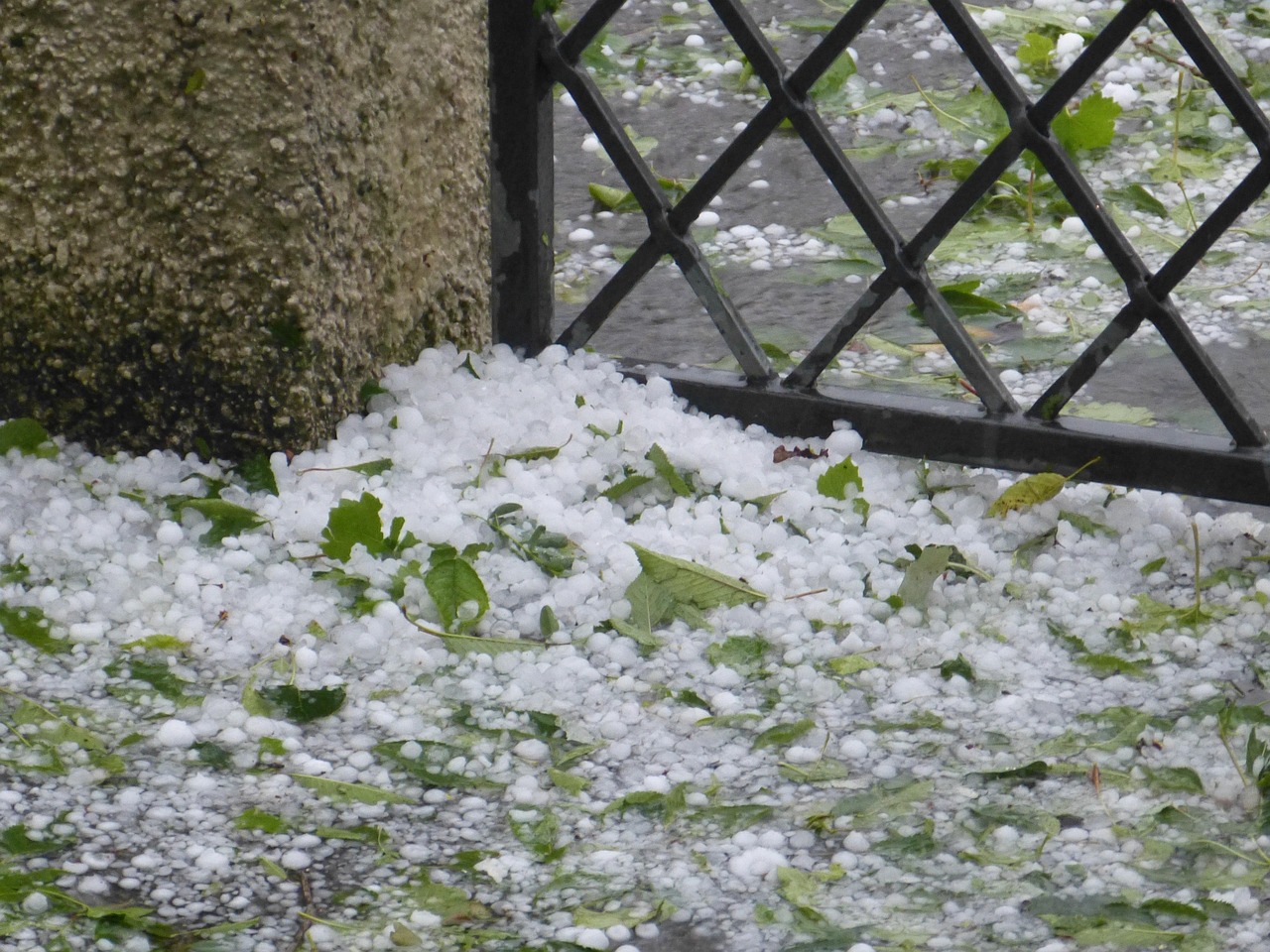
Spring in Leander brings fast thunderstorms, strong straight-line wind and now and then hail, and a metal gate takes all of it. A gate that has been inspected, lubricated, secured and finished well before storm season shrugs most of it off. One that has been ignored often comes out with dents, a bent latch, a stuck operator or a blistered finish.
Central Texas sits in a part of the country where the weather turns quickly. A calm morning can end in a hailstorm by late afternoon, and the clay soil that swells with rain can shift a gate post within days. Preparing the gate is simple, mostly a matter of looking at the right parts at the right time.
What storms do to a gate
Wind is the first stress. A solid panel gate acts like a sail, and strong gusts push on the hinges, the posts and the latch all at once. An open picket gate lets wind pass through, so the load is lower. A gate left open in a gust can slam against its stop or be torn off a weak hinge.
Hail is the second. Stones the size of a marble leave small dents and chip the finish. Larger stones bend thin pickets, dimple sheet panels and crack welds on decorative scrollwork. Aluminum shows dents more readily than steel, though steel shows the damage as rust once the coating cracks.
Heavy rain and saturated ground is the third. Water gathers in low spots, softens the ground around posts and finds its way into hollow tubing. Operators and control boxes face water too, especially where sprinklers or runoff reach them.
Lightning is the fourth. Gates with electric operators have long wires and sit in the open, so a nearby strike can send a surge through the control board. A gate that worked before the storm and stopped after it often suffered a surge.
A pre-season inspection
Late winter or early spring is a good time to walk the gate with a notepad. Start at the posts and check whether they are plumb. Look for cracks in the concrete at the base and for gaps where soil has pulled away. A post that leans even a little will lean more in a wet spring.
Then check the hinges. Rock the gate gently by the latch end and watch for movement at the hinge. Slop in the hinge means worn bushings or loose bolts. Tighten fasteners and replace worn parts before a storm leans on them.
Next look at the frame and the welds. Hairline cracks near corners and hinge points are early signs of fatigue. A crack that is small now can open with the next gust. Marking any suspicious spot and having a welder look at it is far cheaper than replacing a leaf.
Finally, look at the finish. Chips, scratches and bubbles let water reach bare steel. A small touch up with a matching coating seals the break. Look especially at the bottom rail, which sits closest to splashing water and mowing debris.
Preparing the hardware
Latches and locks should move freely. A light application of a lubricant suited to outdoor locks keeps them from seizing, while a dry lubricant avoids attracting dust. Check that the latch lines up with its strike, because a gate that is slightly out of line will rattle in the wind and wear the hardware.
A gate stop or a drop rod that holds a leaf open or closed is a useful guard against wind. A leaf that is secured while open will not swing in a gust. Many household gates lack one, and adding a simple stop post or a ground socket is an easy improvement. On a double gate, a drop rod that locks one leaf into the ground makes the pair far more stable in wind.
Electric operators and storm season
For an automatic gate, storm preparation includes the electronics. Check that the ground rod is in place and the connections are tight. Check the surge protectors on the power line and on long control wires, and look at their indicator lights. A spent protector gives a false sense of safety.
Look at the enclosure. Seals should be intact, conduit entries should be closed and nothing should let water pool against the box. Battery backups should be tested, since a power outage often accompanies a storm. Knowing where the manual release is, and making sure the key or the lever works, matters when power fails and the gate has to be moved by hand.
If a severe storm is forecast and the household is at home, some owners switch off the operator and leave the gate in a closed, latched state. This is not always needed, but it removes some stress on the motor and the board.
Soil, drainage and water at the entry
Clay soil swells when wet and shrinks as it dries, and a gate on a slope sees runoff cross it. Check that water drains away from the posts and not toward them. A small regrade or a shallow channel redirects flow. Keep the area under the gate clear of leaves and debris so water does not dam up and push against the panel.
Hollow posts and rails should have drain holes so water that gets in can leave. A frame that holds water from a storm rusts from the inside, and the damage shows only when it is far along. A small hole at the low point of each hollow section is cheap protection.
Trees, vines and loose objects
Branches break in storms, and a limb above a gate is a hazard. Trimming overhanging branches in winter removes the risk and keeps debris from filling the track of a sliding gate. Vines add weight and catch wind, so cutting them back before storm season reduces the load. Removing loose items near the gate, such as planters, signs and outdoor furniture, prevents them from becoming projectiles.
After the storm
A calm walk around the gate after severe weather catches problems early. Look for new dents, cracks in the finish, bent pickets and loose hardware. Check that the gate still swings freely and latches properly. Test the operator and the safety sensors, because a gate that moves without working sensors is dangerous.
Take photos of any damage with the date, which helps if an insurance claim is made. Some homeowners policies cover storm damage to fences and gates, though terms vary, so reading the policy or asking the insurer is sensible. Photographs of the gate in good condition before the storm help show what changed.
A short seasonal checklist
- Check posts for lean and for gaps at the base.
- Tighten hinge bolts and replace worn bushings.
- Inspect welds near corners and hinge points.
- Touch up chips in the finish before the rains.
- Lubricate latches and test the strike alignment.
- Test surge protectors, batteries and the manual release.
- Trim branches and vines near the gate.
- Clear drainage paths and check the drain holes.
Small steps, big difference
None of this takes long, and most of it costs little. A metal gate in Leander faces strong sun, sudden storms and shifting soil, and the owners who have the fewest problems are the ones who look at the gate twice a year and fix small flaws while they are small. Doing the walk around before the first spring storm turns a likely repair into a non-event.