Home / Lighting a Gate Entry in Leander After Dark
Lighting a Gate Entry in Leander After Dark
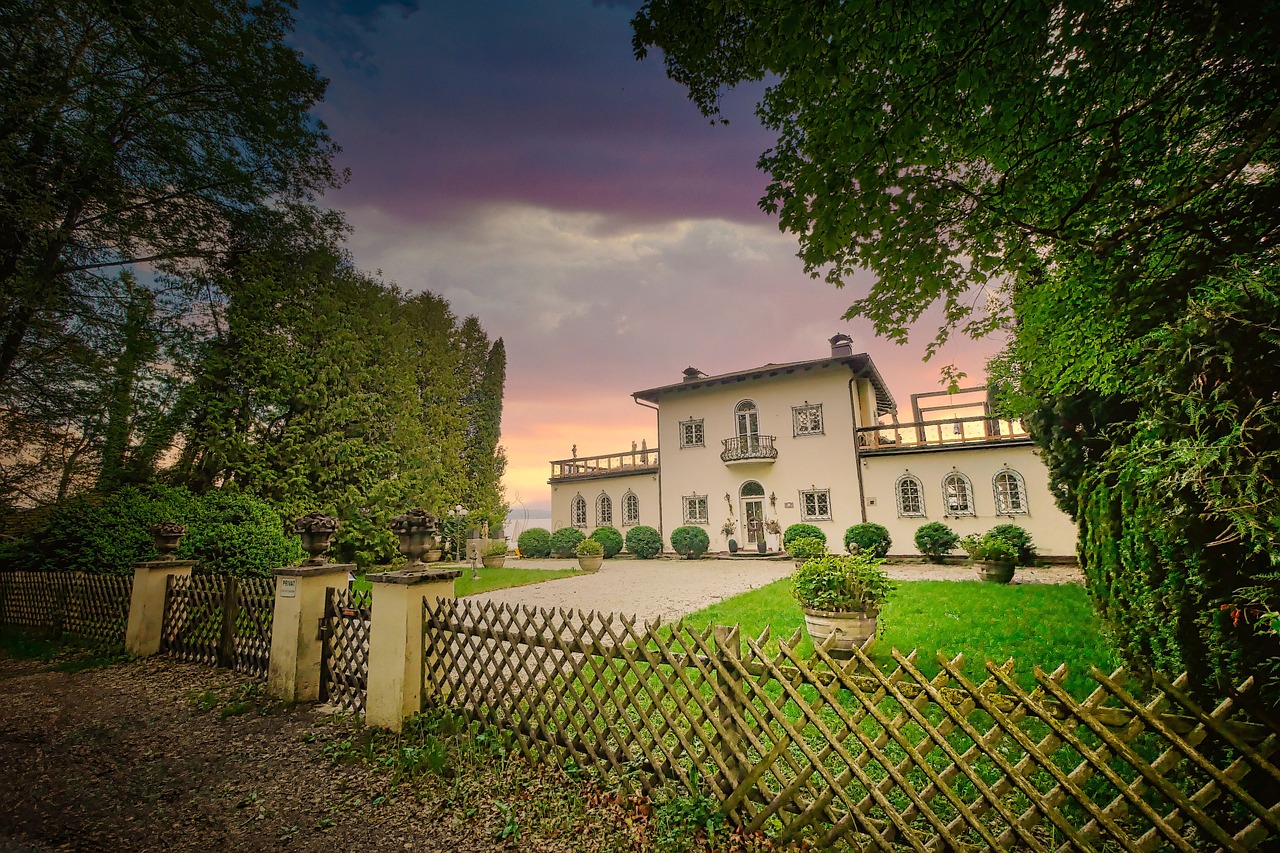
Good entry lighting does three jobs at once: it shows who is at the gate, it lights the path so no one trips, and it lets the metalwork look good after sunset. In Leander, where many homes sit on dark, quiet streets or on acreage with no street lamps, a gate entry with thoughtful light feels safer and more welcoming than one left to a single bright bulb.
People often treat gate lighting as an afterthought, added once the gate is hung. That usually leads to a harsh fixture on the wall, glare in the eyes of anyone who walks up and shadows right where a keypad or a latch sits. Planning the light along with the gate, the posts and the wiring gives better results at a lower effort.
What lighting at an entry is for
Three needs overlap. The first is safety. A visitor, a delivery driver or a family member returning late should be able to see steps, curbs, the gate latch and the ground in front of the opening. The second is recognition. Light that falls on a face from the front lets a person be seen clearly, which helps if there is a camera or an intercom. The third is appearance. A gate lit from below or beside shows its shape, and a well lit entry makes a property look cared for.
These needs sometimes conflict. A bright light aimed straight out creates glare that hides everything behind it. A dim light leaves gaps that feel unsafe. The aim is even, low glare light that falls on the places that matter.
Layers of light
Designers usually build lighting in layers. The base layer is ambient light that gives a gentle overall glow, often from fixtures mounted on gate columns or nearby walls. The task layer lights the specific points where something happens, such as a keypad, an intercom, a lock or a house number. The accent layer highlights features, such as a decorative panel, a stone column or a tree beside the entrance.
For a typical suburban gate, ambient light might come from a pair of lanterns on the posts. Task light might come from a small shielded fixture aimed down at the keypad. Accent light might come from a few low fixtures that wash the face of a wall. Each layer can be dim on its own, and together they produce a soft, even effect.
Color and brightness
Light color is measured in kelvin. Lower numbers are warm and yellow, and higher numbers are cool and blue. Warm white in the range of two thousand seven hundred to three thousand kelvin flatters metal and stone and looks natural next to a house. Cooler light can feel harsh and makes some finishes look dull. Matching the color across all the fixtures at an entry avoids a patchwork effect.
Brightness is measured in lumens. More is not better. A few hundred lumens at the gate is enough for most residential entries, and spreading it across several fixtures works better than concentrating it in one. Dimmable fixtures or ones on a timer allow the brightness to change through the evening.
Shielding and neighbors
A badly aimed light is a nuisance to neighbors. It shines in windows and washes out the night sky. Fixtures with a shield or a hood send light downward and keep it on the intended area. Aiming a light so that the bulb itself is not visible from the street reduces glare.
The Texas Hill Country has a long tradition of caring about dark skies, and parts of the region encourage fixtures that point down and use warm light. Even where no rule applies, shielded, warm and low fixtures are good manners and make the entry look better. Neighborhood associations in Leander may have their own guidance on exterior lighting, so a quick check before buying fixtures can prevent a return trip.
Power and wiring
Most entry lighting runs on low voltage, using a transformer that steps household current down to a safer level. Low voltage wiring is easier to bury and safer to touch, and it allows small, efficient fixtures. A transformer mounted near an outdoor outlet feeds a run of cable, and fixtures clip into the cable at chosen points.
Gate electronics may share a power source with the lights, but good practice keeps their circuits separate so a fault in one does not affect the other. If the gate has an operator, its power and control wiring need to be planned together with the light wiring, so that trenches and conduit serve both. Running lights from the gate operator transformer can overload it, so a separate supply is common.
Wire gauge and distance matter for low voltage. Long runs lose voltage, and the last fixtures on a line dim. Heavier wire, a transformer with multiple taps or a split into two runs solves it. A licensed electrician can confirm what is permitted, particularly for any work on the line voltage side.
Fixtures that suit metal gates
Fixtures on or near a metal gate face heat, rain and insects. Solid brass, copper and powder coated aluminum resist weather. Sealed fixtures with gaskets keep water and bugs out of the bulb housing. LED lamps run cool and last for years, which matters when a fixture sits on top of a tall post that is awkward to reach.
Several fixture types suit a gate entry:
- Post cap lights that sit on top of a column and cast a gentle glow.
- Wall lanterns beside the gate that light the keypad and the approach.
- Path lights set low along a walkway to mark the edge.
- Uplights aimed at a column, a tree or a wall to add depth.
- Small downlights tucked under a cap or an overhang for a hidden source.
Sensors, timers and photocells
A photocell turns lights on at dusk and off at dawn, so the entry is never dark by accident. A timer lets the lights dim or shut off at a chosen hour. A motion sensor raises the light when someone approaches, which is useful for security and saves energy. Sensors work best on a secondary layer, with a base level of soft ambient light staying on all night so the entry never goes fully dark.
Placement matters for sensors. A sensor aimed at a street picks up every passing car and flickers all night. Aiming it at the approach on the property, and adjusting its range, cuts down false triggers. Pets, blowing branches and heat from a driveway can also set off cheaper sensors.
Lighting the operator, the keypad and the latch
The places where hands touch the gate need the clearest light. A keypad in shadow is hard to read, and a latch found by feel invites a pinched finger. A small fixture aimed at the keypad from above and slightly to the side avoids reflecting off the buttons. Lighting the latch side of a walk gate shows where to push and where to step.
Moving parts also benefit. If an operator controls a driveway gate, the area around the swing or slide should be lit enough that a driver can see whether the gate is clear. Safety reflectors and lighted edges on a moving gate add another margin.
Seasonal and maintenance habits
Lights need a little care. Bulbs and lenses collect dust, spider webs and pollen, so a wipe a few times a year keeps the output up. Vegetation grows into beams, and a bush that was trimmed back last spring may block a light by summer. Fixtures shift in soft ground or after a storm, and a quick evening walk reveals any that point the wrong way.
Spring storms can loosen wires and fill fixtures with water. Checking connections and seals after heavy weather prevents corrosion. Replacing a failed fixture promptly keeps the layers balanced. Keeping a note of the fixture type and color temperature makes matching a replacement easy.
Bringing the layers together
A well lit gate entry in Leander looks simple, but it rests on a plan: warm color, shielded fixtures, layers for safety, recognition and appearance, a power supply that suits the run, and sensors set to avoid nuisance. Walking the entry after dark with a flashlight before choosing fixtures shows where shadows fall and where light is needed. Fixing those spots first makes the gate easier to use, easier to trust and a better neighbor on the street.